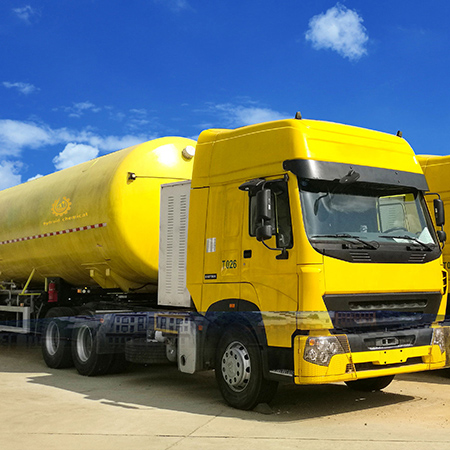
**Expansion of Hydrogen Fuel Filling Stations Accelerates Green Energy Adoption**The global shift towards sustainable and clean energy solutions has gained significant momentum with the expansion of hydrogen fuel filling stations. As hydrogen technology advances, these stations play a crucial role in supporting the widespread adoption of hydrogen-powered vehicles, which promise zero-emission transportation and a reduction in carbon footprints worldwide.Hydrogen fuel stations serve as critical infrastructure, enabling the refueling of hydrogen fuel cell vehicles (FCVs) conveniently and efficiently. Unlike traditional fossil fuels, hydrogen fuel produces only water vapor when used in fuel cells, making it an environmentally friendly alternative. The rapid development and deployment of these stations reflect the commitment of governments and industries to combat climate change and promote renewable energy resources.In recent years, several countries have witnessed a strategic increase in the number of hydrogen fuel filling stations, aligning with national policies for clean energy transition. The growth of this network is supported by technological innovations that enhance hydrogen storage, transportation, and dispensing methods, thus improving the accessibility and reliability of hydrogen refueling.At the forefront of this development are companies dedicated to advancing hydrogen energy technology. With expertise spanning from hydrogen production and storage to the manufacturing of fuel cell systems, these enterprises contribute significantly to building a robust hydrogen ecosystem. Their integrated solutions encompass the entire value chain necessary for the commercialization of hydrogen fuel cell vehicles.One such company, with a visionary approach to sustainable energy, has been instrumental in expanding hydrogen infrastructure. Established with a mission to promote clean energy, the company specializes in hydrogen fuel station construction and operation, leveraging cutting-edge technology to ensure safety, efficiency, and scalability. Their innovative designs focus on minimizing environmental impact while maximizing user convenience.The company’s comprehensive portfolio includes turnkey solutions for hydrogen production, purification, and compression, as well as refueling equipment tailored for various vehicle categories. By collaborating with automotive manufacturers, energy providers, and regulatory bodies, the company ensures that their hydrogen fuel stations meet international standards and support the growing demand for zero-emission transportation.Integration with renewable energy sources is a key aspect of the company’s strategy. Through the use of green hydrogen, produced by electrolyzing water using renewable electricity, the hydrogen fuel stations contribute to an entirely sustainable loop. This approach not only reduces dependence on fossil fuels but also aligns with global initiatives to achieve net-zero emissions.Furthermore, advancements in digital technologies have enabled the company to implement smart management systems in hydrogen fuel filling stations. Real-time monitoring, automated diagnostics, and data analytics optimize operational efficiency and enhance safety protocols. These innovations facilitate seamless customer experiences and build public confidence in hydrogen as a viable fuel alternative.The proliferation of hydrogen fuel filling stations is also creating new economic opportunities. Job creation in areas such as station construction, maintenance, and logistics supports local economies. Moreover, the growth of the hydrogen sector stimulates research and development activities, driving innovation and competitiveness.Challenges remain, including the need for further cost reductions in hydrogen production and infrastructure deployment. However, ongoing investments and supportive policies continue to lower barriers. Incentives for clean energy vehicles and infrastructure development encourage private sector participation and public adoption.In conclusion, the accelerated expansion of hydrogen fuel filling stations marks a significant milestone in the transition toward sustainable mobility. Companies devoted to hydrogen technology play a pivotal role in building the necessary infrastructure, thereby enabling the broader use of hydrogen fuel cell vehicles. Their contributions help pave the way for a cleaner, greener future, underscoring hydrogen’s potential as a cornerstone of global energy transformation.As nations strive to meet ambitious climate goals, the continued growth and enhancement of hydrogen fuel filling stations will be essential. Through collaboration among industry stakeholders, government agencies, and communities, hydrogen energy can become a mainstream solution, offering a practical and environmentally responsible alternative to conventional fuels. The journey toward zero-emission transportation is well underway, with hydrogen fueling the path ahead.
Read More